The Halifax Explosion: The Disaster That Destroyed a City | 1917
2026-08-16
Channel: The hidden chapter (63 subscribers)
Note: today's candidate pool was entirely YouTube Shorts, which typically fall below our quality bar. This one is the least bad — it covers a genuinely significant historical event with concrete facts rather than clickbait sensationalism.
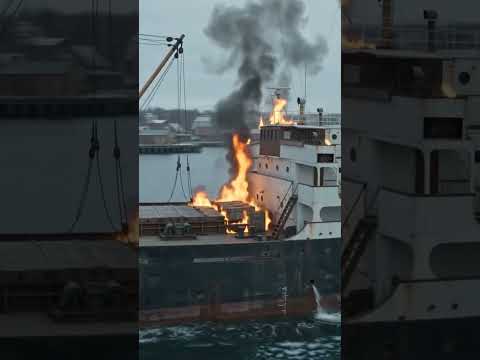
On December 6, 1917, the French cargo ship SS Mont-Blanc — packed with roughly 2,900 tons of wartime explosives including TNT, picric acid, and benzol — collided with the Norwegian vessel SS Imo in the narrows of Halifax Harbour. The resulting fire ignited the cargo, producing what remained the largest human-made explosion on Earth until the atomic bomb tests of 1945.
The blast flattened roughly 2.5 square kilometers of Halifax, killed around 2,000 people, injured 9,000 more, and blinded hundreds who had been watching the burning ship from their windows when the shockwave shattered the glass. A tsunami followed, and a blizzard the next day compounded the rescue nightmare.
The Halifax Explosion is a foundational case study in disaster response — it led to advances in trauma medicine, blast injury research (particularly the treatment of eye injuries), and municipal emergency planning. The relief effort from Boston was so significant that Nova Scotia still sends Boston its official Christmas tree every year in gratitude.
